
Connect systems while preserving consistency
Moving orders, inventory, batches and production records is more than calling an API. We define data ownership, record identity and replay behavior after failure. Scope is based on ERP versions and available access.
REST, SOAP and messaging
REST or SOAP services, file exchange and asynchronous queues are evaluated against system capabilities. Interfaces, licenses and vendor coordination for SAP, LOGO and IFS are verified during discovery. No official partnership is implied.
Failure and duplicate handling
Duplicate messages, disconnections and rejected records are expected failure classes. We design idempotency, retry limits and operational error visibility. Real-time or batch transfer is selected according to acceptable delay.
Delivery and commissioning
We prepare field mappings, a test environment, sample messages and reconciliation reports. A validated pilot is followed by a controlled transition. Credentials are stored securely and production write access follows least privilege.
Application scenarios
Connect weighing records to batches and work orders, transfer them to ERP and use consistent data for consumption and loss analysis.
Transaction history and reconciliation
Integration is more than successful API calls. Duplicate delivery, unit conversion, cancellation and delayed responses need explicit handling. Operators should see transaction identities and errors; manual corrections require permission and a recorded reason.
Explore the topic
- From PLC to software: secure data collection with OPC UA
- ERP–MES integration: preventing duplicate and missing transactions
- Offline field applications: keep work moving when connectivity fails
Define the scope together
Start with the current process, system inventory and intended outputs. Acceptance scenarios and delivery responsibilities are documented. Discuss your project.
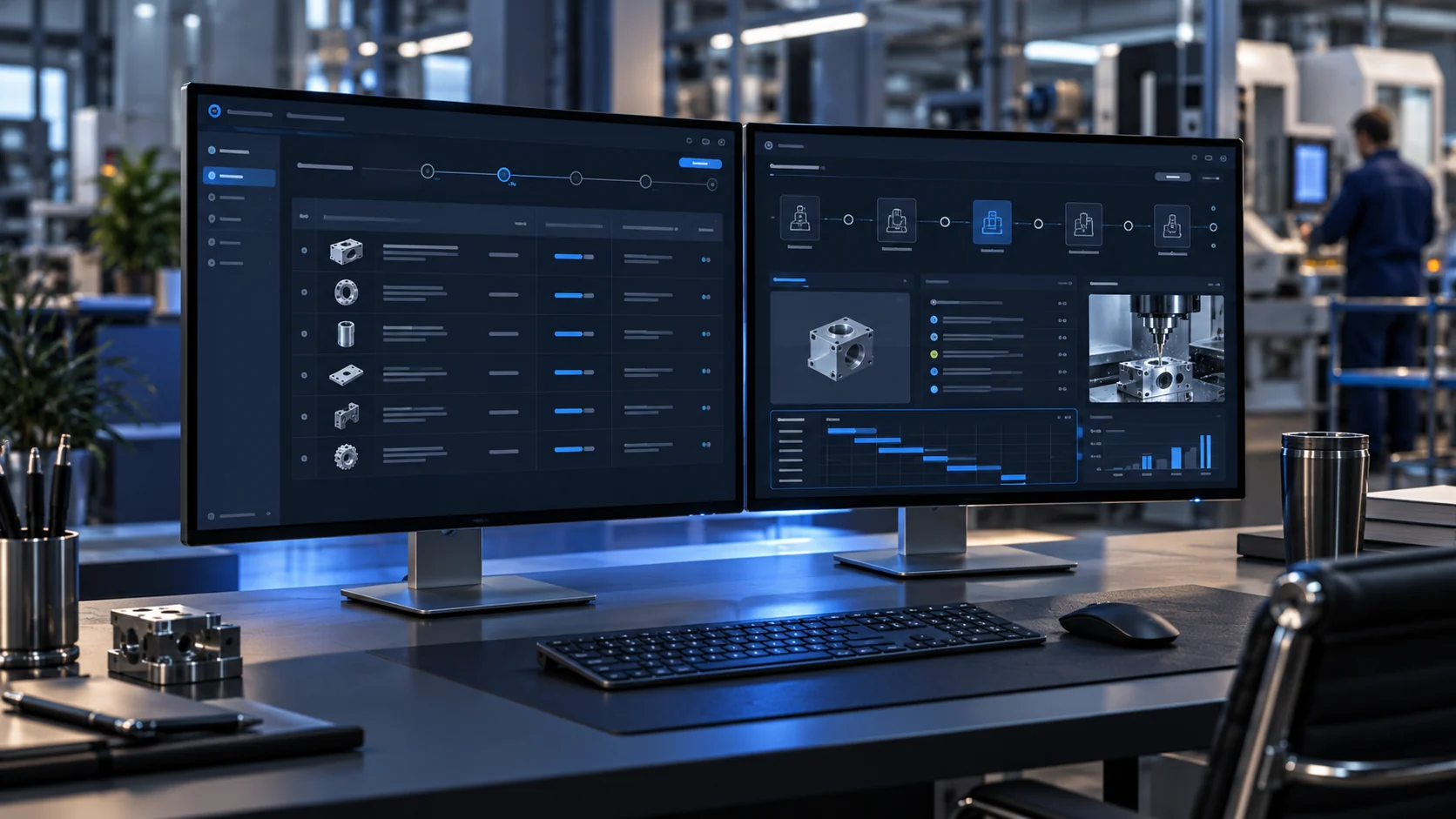
The AI-generated cover illustrates the service topic; it is not a customer project photograph.